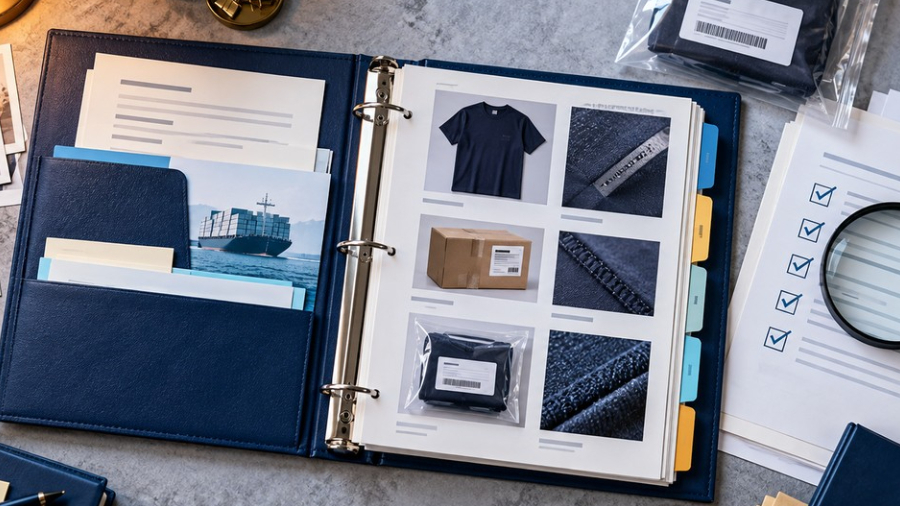
Many importers buying from online B2B sourcing platforms ask the same question: do i need a freight forwarder for alibaba orders, or can the supplier handle everything? The answer depends on your shipment size, destination, shipping terms, budget, and experience with import logistics.
Supplier shipping may be convenient for small or simple orders, but it may not always provide the best cost control, transparency, or cargo management. A freight partner can help coordinate pickup, consolidation, customs documentation, shipping method comparison, and delivery planning.
This guide explains when you need a freight forwarder, when supplier shipping may be enough, and how to make the right decision for your import shipment.
What Does a Freight Forwarder Do for Online B2B Imports?
A freight forwarder is a logistics partner that helps arrange the movement of cargo from the supplier’s location to the buyer’s destination. For importers buying from online B2B sourcing platforms, the forwarder acts as a coordinator between the supplier, warehouse, carrier, customs process, and delivery service.
A freight partner may help with:
Supplier pickup
Warehouse receiving
Cargo consolidation
Carton measurement
Shipping method comparison
Sea freight booking
Air freight booking
Express shipping coordination
Export documentation
Import customs support
Final delivery planning
Shipment tracking
When buyers ask do i need a freight forwarder for alibaba, they are usually trying to decide whether to use the supplier’s shipping option or arrange independent logistics support. Both options can work, but they are not the same.
Supplier shipping may be simple because the supplier arranges transportation. However, the buyer may have limited visibility into freight pricing, route selection, customs handling, or destination charges. In some cases, the supplier may only arrange delivery to a port or warehouse, leaving the buyer responsible for customs clearance, import taxes, and final delivery.
A freight forwarder provides more control. The importer can compare shipping options, understand included charges, and manage cargo from multiple suppliers. This is especially useful when shipments are larger, more valuable, or more complex.
For small sample orders, supplier shipping may be enough. For commercial imports, repeated orders, or multi-supplier purchasing, a freight partner often provides better cargo management and cost visibility.
Supplier Shipping vs Freight Forwarder: Key Differences
Before deciding whether you need a freight forwarder, it is important to compare supplier shipping with independent freight support.
Supplier Shipping
Supplier shipping means the seller arranges transportation. This can be convenient for beginners because the buyer does not need to communicate with a separate logistics provider.
Supplier shipping may be suitable for:
Small samples
Lightweight parcels
Simple one-supplier orders
Low-value shipments
Buyers who want minimal coordination
However, supplier shipping may have limitations. The buyer may not know whether the freight cost is competitive. The quote may not include customs fees, import taxes, destination handling, or final delivery. Also, if the supplier is not experienced in export logistics, documentation problems may occur.
Freight Forwarder Support
A freight forwarder provides independent logistics coordination. The buyer can ask for multiple shipping options, compare costs, and choose a method based on budget and delivery time.
A freight partner may be better for:
Larger commercial shipments
Multiple suppliers
Cargo consolidation
Sea freight or air freight planning
Door-to-door delivery
Import customs support
Long-term sourcing operations
The main advantage is control. The buyer can see what is included, understand the shipping process, and plan landed cost more accurately.
The best choice depends on shipment size, value, urgency, and how much control the buyer wants over import logistics.
When You May Not Need a Freight Forwarder
You may not need a freight forwarder for every order. In some situations, supplier shipping is simple and practical.
Small Sample Orders
If you are ordering a few product samples, supplier-arranged express shipping may be enough. The shipment is small, fast, and easy to manage.
Low-Value Shipments
For low-value goods, the cost of arranging separate freight support may not be necessary. A simple shipping solution may be more efficient.
One Supplier, Simple Delivery
If you are buying from one supplier and the supplier can clearly provide door-to-door shipping, using their shipping service may be convenient.
No Special Handling Requirements
If the cargo does not require consolidation, inspection support, special packing, labeling, or customs planning, supplier shipping may be acceptable.
However, even in these cases, buyers should confirm what is included in the shipping quote. Ask whether the cost includes customs clearance, import taxes, destination fees, and final delivery. A low shipping price may not be the final landed cost.
When You Should Use a Freight Forwarder
There are many situations where a freight forwarder is strongly recommended.
You Are Buying From Multiple Suppliers
If your goods come from different factories, a freight forwarder can collect and consolidate them into one shipment. This can reduce shipping costs and simplify cargo management.
Your Shipment Is Large or Heavy
For bulk orders, sea freight or air freight may require careful planning. A freight partner can compare routes, calculate volume, and arrange cargo booking.
You Need Better Cost Visibility
Freight quotes can include many charges. A forwarder can provide a clearer breakdown, including pickup, export handling, freight, customs support, and delivery options.
You Need Door-to-Door Service
If you want goods delivered from the supplier to your warehouse, a freight forwarder can help coordinate the full shipping process.
You Are New to Import Logistics
New importers may not understand shipping terms, customs requirements, documentation, or cargo release procedures. A forwarder can help reduce mistakes.
You Need Cargo Consolidation or Storage
If suppliers finish production at different times, a forwarder can store goods temporarily and ship everything together.
This is where the answer to do i need a freight forwarder for alibaba becomes clearer. If your order is commercial, complex, or repeated, a freight forwarder can help protect your cost, timeline, and cargo control.
How to Decide: A Practical Checklist
Use this checklist before choosing supplier shipping or a freight forwarder.
Shipment Size
If the order is small and urgent, supplier shipping may work. If the shipment is large, heavy, or high-volume, a freight forwarder is usually better.
Number of Suppliers
One supplier may be simple. Multiple suppliers usually require consolidation support.
Shipping Method
Express shipping is simple for small parcels. Sea freight and air freight often require more planning and documentation.
Destination Requirements
If your destination requires customs clearance, duties, taxes, or special import documents, a logistics partner may be helpful.
Budget Control
If you need accurate landed cost, compare supplier shipping with an independent freight quote.
Delivery Responsibility
Confirm whether the shipping quote is port-to-port, airport-to-airport, warehouse-to-warehouse, or door-to-door.
Cargo Risk
Fragile, high-value, oversized, or time-sensitive goods need better cargo management.
Long-Term Import Plan
If you plan to import regularly, building a relationship with a freight partner can improve efficiency over time.
This checklist helps importers answer do i need a freight forwarder for alibaba based on real shipping needs instead of guesswork.
How to Work With a Freight Forwarder Step by Step
If you decide to use a freight forwarder, follow a structured process.
Step 1: Prepare Shipment Information
Collect product name, carton quantity, weight, dimensions, supplier address, destination address, cargo ready date, and preferred shipping method.
Step 2: Confirm Supplier Shipping Terms
Ask your supplier whether the goods can be picked up from the factory or delivered to a forwarder’s warehouse. Confirm who pays local delivery inside China.
Step 3: Request a Freight Quote
Ask the forwarder for sea freight, air freight, or express options depending on your cargo. Request a written quote with included and excluded charges.
Step 4: Compare Total Landed Cost
Do not compare only freight cost. Include product price, pickup, international freight, customs fees, duties, taxes, destination handling, and final delivery.
Step 5: Arrange Cargo Pickup or Warehouse Delivery
The forwarder can pick up from the supplier or receive goods at its warehouse. Confirm carton count and cargo details.
Step 6: Prepare Documents
Make sure the commercial invoice, packing list, product description, and declared value are accurate and consistent.
Step 7: Track the Shipment
A reliable freight partner should provide updates during pickup, export, transit, customs clearance, and final delivery.
This process makes import logistics more organized and reduces the risk of hidden costs or shipment delays.
Real-Life Example: Small Sample Order
A new importer orders several product samples from one supplier. The supplier offers simple express shipping to the buyer’s address. The shipment is lightweight and low value.
In this case, the importer may not need a freight forwarder. Supplier shipping is convenient, and the cost difference is not significant. The buyer should still confirm whether any import taxes or delivery fees may apply.
This example shows that not every order requires independent freight support.
Real-Life Example: Multi-Supplier Commercial Order
An online seller purchases products from three suppliers. Each supplier offers separate shipping, but the combined cost is high. The buyer also wants all goods delivered together.
A freight forwarder receives the goods from all suppliers, checks carton quantities, consolidates cargo, and arranges sea freight. The shipment moves as one combined order, reducing freight cost and simplifying tracking.
In this situation, using a freight partner provides better cargo management and logistics efficiency.
Real-Life Example: First-Time Importer With Door-to-Door Needs
A first-time importer buys a medium-sized commercial shipment and does not understand customs clearance. The supplier provides a shipping quote, but it is unclear whether customs fees and final delivery are included.
The importer works with a freight forwarder to arrange door-to-door shipping. The forwarder explains the shipping process, prepares cargo booking, supports customs documentation, and coordinates delivery.
This helps the importer avoid confusion and better understand total landed cost.
Common Mistakes to Avoid
Choosing Only the Cheapest Option
Low shipping prices may exclude destination fees, customs clearance, taxes, or final delivery.
Not Confirming Shipping Terms
Always know whether the quote covers door-to-door delivery or only part of the shipping process.
Providing Inaccurate Cargo Details
Wrong weight or dimensions can cause price changes after cargo is received.
Ignoring Customs Costs
Import duties, taxes, and customs fees can significantly affect landed cost.
Using Separate Shipments for Multiple Suppliers
Separate shipments can increase cost and create tracking difficulties.
Not Checking Documentation
Invoices, packing lists, and product descriptions must be accurate for customs clearance.
Avoiding these mistakes helps buyers manage import logistics more effectively.
Conclusion
So, do i need a freight forwarder for alibaba orders? The answer depends on your shipment. For small samples, low-value parcels, or simple one-supplier orders, supplier shipping may be enough. But for commercial shipments, multiple suppliers, cargo consolidation, sea freight, air freight, customs planning, or door-to-door delivery, a freight forwarder is often the better choice.
A reliable freight partner helps you compare shipping methods, manage cargo booking, control costs, coordinate supplier shipping, and improve the overall shipping process. Instead of focusing only on the lowest freight price, importers should compare total landed cost, service scope, delivery time, and reliability.
For better results, prepare accurate cargo details, confirm shipping terms, request written quotes, and choose a logistics partner that can support your long-term import goals.
FAQ
1. Do I need a freight forwarder for small sample orders?
Usually not. For small samples or lightweight parcels, supplier shipping may be simple and cost-effective. However, confirm whether import taxes or delivery fees may apply.
2. When is a freight forwarder better than supplier shipping?
A freight forwarder is better for large shipments, multiple suppliers, cargo consolidation, sea freight, air freight, customs planning, and door-to-door delivery.
3. Can a freight forwarder reduce shipping costs?
Yes, especially when consolidating goods from multiple suppliers, comparing shipping methods, or optimizing cargo booking. However, savings depend on shipment size, route, and service scope.
 English
 Deutsch
 Português
 العربية
 中文
中文


 25 Sep