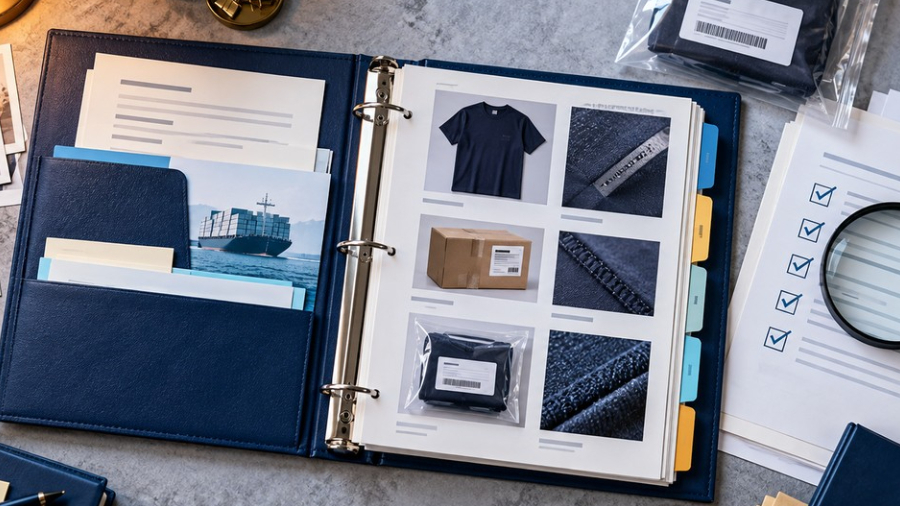
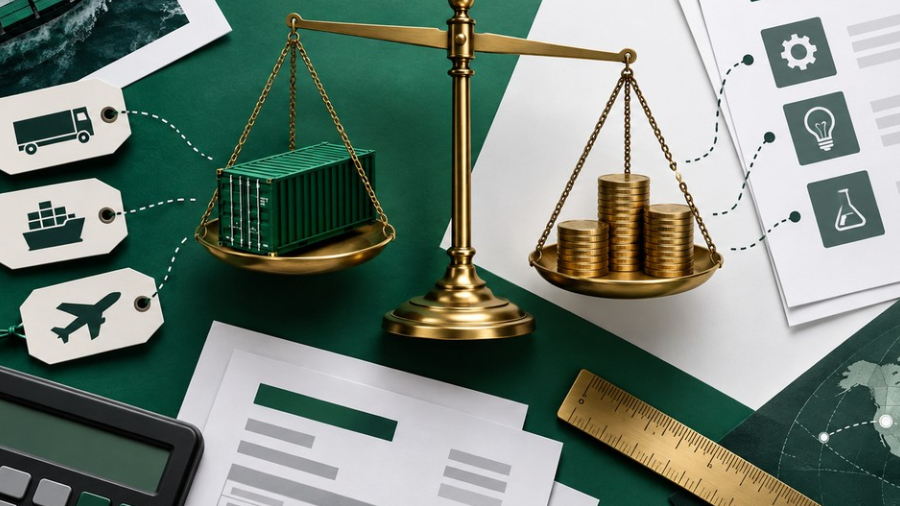
Customs clearance is one of the most important steps in international shipping, but many buyers and sellers are unsure who should handle it. The question who is responsible for customs clearance often appears when goods are delayed, import duties are unpaid, or documents are missing. In cross-border logistics, responsibility depends on the sales terms, shipping agreement, destination country rules, and whether the shipment is being exported or imported.
Understanding customs responsibility helps businesses avoid disputes, unexpected costs, and delivery delays. This guide explains the difference between importer vs exporter responsibilities, how freight liability works, and what companies should confirm before shipping goods internationally.
Why Customs Clearance Responsibility Matters
Customs clearance is not just paperwork. It determines whether goods can legally leave the origin country and enter the destination country. If the responsible party fails to prepare documents, pay import duties, or submit the right declaration, the shipment may be held by customs.
This can create several problems:
Delivery delays
Storage fees
Demurrage charges
Penalties for incorrect declarations
Disputes between buyer and seller
Lost sales or production delays
Extra freight liability
For example, a buyer may think the seller is handling all customs costs, while the seller may only be responsible for export clearance. When the cargo arrives, no one pays the destination import duties, and the shipment is held. This type of misunderstanding is common when shipping terms are not clearly agreed in advance.
So, who is responsible for customs clearance? In most international transactions, the exporter is usually responsible for export customs clearance, while the importer is usually responsible for import customs clearance. However, the final answer depends on the agreed trade terms.
Importer vs Exporter: Who Handles What?
To understand customs responsibility clearly, it helps to separate export clearance from import clearance.
Exporter Responsibility
The exporter is usually responsible for clearing the goods for export in the origin country. This includes preparing export documents, declaring the goods to local customs, and making sure the shipment can legally leave the country.
Exporter responsibilities may include:
Commercial invoice preparation
Packing list preparation
Export declaration
Export license, if required
Product description and quantity confirmation
Origin country compliance
Coordination with local freight forwarder
If export documents are incomplete, the cargo may not be allowed to leave the origin country. This can delay vessel loading, flight departure, or truck dispatch.
Importer Responsibility
The importer is usually responsible for clearing the goods in the destination country. This is called import clearance. The importer must ensure that the goods comply with local regulations and that duties, taxes, and fees are paid.
Importer responsibilities may include:
Import declaration
Import license, if required
HS code confirmation
Duty and tax payment
Customs broker appointment
Destination country compliance
Import documentation review
Final cargo release
In most cases, the importer is also responsible for import duties. These charges are usually based on product classification, customs value, country of origin, and destination rules.
The key difference is simple: the exporter handles leaving the origin country, and the importer handles entering the destination country.
How Shipping Terms Affect Customs Responsibility
The answer to who is responsible for customs clearance depends heavily on the agreed shipping terms. Shipping terms define who pays for transportation, who carries risk, and who handles customs at different stages.
Some terms place more responsibility on the seller. Others place more responsibility on the buyer. This is why both parties should confirm the terms before production, payment, and shipment.
For example, under some arrangements, the seller may only deliver goods to a port or warehouse in the origin country. In that case, the buyer may be responsible for main freight, import clearance, import duties, and final delivery.
In another arrangement, the seller may agree to arrange international freight and deliver goods to the destination location, but the buyer may still be responsible for import duties and taxes.
In a more complete door-to-door arrangement, the logistics provider may coordinate transportation, import clearance, duty payment, and final delivery based on the agreement. However, even in this case, the legal importer may still need to provide documents, tax information, or authorization.
Businesses should never assume customs responsibility. It should be written clearly in the quotation, purchase contract, proforma invoice, or logistics agreement.
Who Pays Import Duties and Taxes?
Import duties are usually the responsibility of the importer unless the shipping agreement says otherwise. Duties and taxes are part of the landed cost of imported goods and must normally be paid before customs releases the cargo.
Import duties may include:
Customs duty
Value-added tax or sales tax
Import processing fees
Anti-dumping or special duties, if applicable
Inspection-related charges
Customs broker fees
Confusion often happens when the buyer sees a shipping quote that includes freight but does not include duties. Freight charges and import duties are not the same. A freight quote may cover transportation from one location to another, but customs charges may still be separate.
For example, if a buyer receives a quote for ocean shipping to the destination port, that quote may not include import clearance, port charges, duty payment, warehouse handling, or final delivery. If the buyer does not understand this, the total cost can be much higher than expected.
To avoid surprises, importers should ask for a clear cost breakdown before shipment.
What Role Does a Freight Forwarder or Customs Broker Play?
A freight forwarder or customs broker can help manage the customs clearance process, but they do not automatically take legal responsibility for the shipment unless agreed.
A freight forwarder usually coordinates shipping, carrier booking, document collection, and transportation. A customs broker prepares and submits customs declarations on behalf of the importer or exporter.
Their support may include:
Checking import documentation
Submitting customs declarations
Advising on HS codes
Estimating duties and taxes
Communicating with customs
Coordinating inspections
Helping release cargo
Arranging delivery after clearance
However, the importer or exporter remains responsible for providing accurate information. If the declared value is wrong, the product description is false, or required certificates are missing, the business involved in the transaction may still carry responsibility.
A broker can help reduce risk, but they cannot fix incorrect commercial information unless the client provides accurate details.
Practical Guide: How to Confirm Customs Responsibility Before Shipping
To avoid disputes, businesses should confirm customs responsibility before goods leave the factory or warehouse.
Confirm the Trade Terms in Writing
The buyer and seller should clearly agree on trade terms. The agreement should state who handles export clearance, international freight, insurance, import clearance, import duties, destination charges, and final delivery.
Do not rely on verbal promises. Put the terms into the purchase order, invoice, or shipping agreement.
Ask for a Full Cost Breakdown
Before confirming shipment, ask whether the quote includes:
Export customs clearance
Origin handling charges
Main freight
Insurance
Destination port or airport charges
Import customs clearance
Import duties and taxes
Customs broker fee
Final delivery
This helps both sides understand the total landed cost.
Identify the Importer of Record
The importer of record is the party legally responsible for the import declaration in the destination country. This party may need to provide a tax number, business registration, import license, or customs authorization.
If no one is prepared to act as importer of record, the shipment may not be cleared.
Prepare Documents Early
The responsible party should prepare the required documents before the shipment arrives. Common documents include commercial invoice, packing list, bill of lading or air waybill, certificate of origin, permits, and product certificates.
Early document review helps prevent customs delay.
Clarify Who Pays Duties
Import duties should be discussed before shipment. The buyer should know whether duties are included in the quoted price or paid separately at destination.
If a seller or logistics provider agrees to include duties, the agreement should clearly state that duty payment is included.
Work With a Reliable Logistics Partner
An experienced logistics partner can explain customs responsibility, review import documentation, coordinate with customs brokers, and help prevent avoidable shipping problems.
Common Mistakes That Cause Customs Disputes
Many customs disputes happen because buyers and sellers do not clearly define responsibility. Common mistakes include:
Assuming freight cost includes import duties
Not confirming the importer of record
Using unclear product descriptions
Forgetting destination country permits
Relying on incomplete invoices
Confusing export clearance with import clearance
Not checking customs broker requirements
Ignoring storage and demurrage risk
Not confirming who pays taxes before arrival
These mistakes can turn a normal shipment into a costly delay. The best solution is to clarify responsibility before shipping.
Real-Life Example: Buyer Thinks Duties Are Included
A buyer purchases goods from an overseas supplier and receives a quote that includes delivery to the destination port. The buyer assumes all customs charges are included. When the cargo arrives, the buyer learns that import clearance, import duties, and final delivery are not included.
Because the buyer was not prepared, the shipment stays at the port while the buyer arranges a broker and pays duties. Storage charges begin after the free time expires.
This example shows why importers must understand the difference between freight cost and customs responsibility.
Real-Life Example: Seller Handles Export, Buyer Handles Import
A manufacturer sells goods to a foreign buyer. The seller prepares the commercial invoice, packing list, and export declaration in the origin country. The goods leave successfully.
When the cargo arrives, the buyer’s customs broker submits the import declaration, pays import duties, and arranges delivery to the warehouse. The shipment clears smoothly because both sides understood their roles.
This is one of the most common and efficient ways to manage importer vs exporter responsibility.
Conclusion
So, who is responsible for customs clearance? In most international shipments, the exporter is responsible for export customs clearance, while the importer is responsible for import customs clearance and import duties. However, the exact answer depends on the agreed shipping terms, contract, and logistics arrangement.
To avoid delays and disputes, buyers and sellers should confirm customs responsibility before shipping. They should define who prepares documents, who acts as importer of record, who pays duties, who handles customs declarations, and who manages final delivery.
A clear agreement and reliable logistics support can reduce freight liability, prevent unexpected charges, and keep international shipments moving smoothly. If your business imports or exports goods regularly, working with an experienced logistics partner can help you manage customs responsibility with greater confidence.
FAQ
Who is responsible for customs clearance in international shipping?
Usually, the exporter handles export clearance in the origin country, while the importer handles import clearance in the destination country. However, the final responsibility depends on the agreed shipping terms.
Does the importer always pay import duties?
In most cases, the importer pays import duties and taxes. However, some shipping agreements may include duty-paid service. The responsibility should be clearly confirmed before shipment.
Can a freight forwarder be responsible for customs clearance?
A freight forwarder or customs broker can handle customs procedures on behalf of the buyer or seller. However, the importer or exporter must still provide accurate documents and may remain legally responsible for the shipment information.
 English
 Deutsch
 Português
 العربية
 中文
中文


 25 Sep