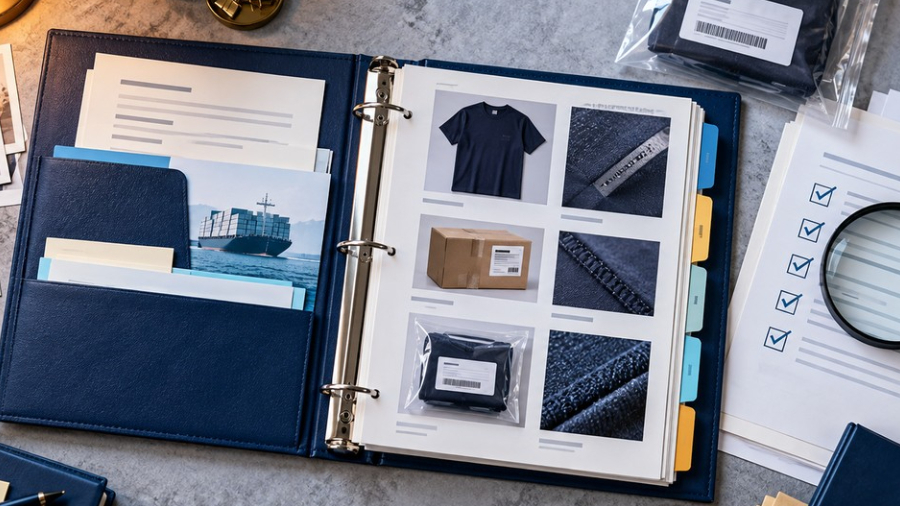
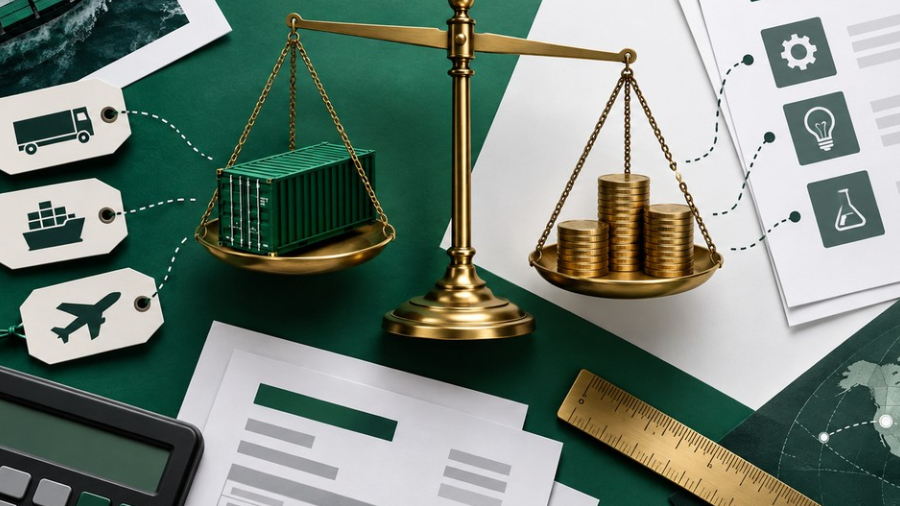
Customs clearance is a critical stage of international shipping. Before imported goods can be released and delivered, customs authorities may review the shipment declaration, verify the cargo description and value, assess duties and taxes, check permits, and select the goods for inspection.
This leads to an important question for many importers: Who is responsible for customs clearance?
The short answer is that the party acting as the importer of record normally carries the primary legal responsibility for the import declaration. However, a customs broker, freight forwarder, seller, or logistics provider may perform some or all of the operational work, depending on destination-country law, the sales contract, and the agreed Incoterms® rule.
Businesses that need assistance with declarations, customs bonds, duties, and cargo release can review DDPexpert’s customs clearance and import duties services before arranging their shipment.
The Quick Answer: Who Is Responsible for Customs Clearance?
In most conventional import transactions, the buyer or consignee becomes the importer of record and is responsible for import customs clearance. This generally includes providing accurate information, meeting import requirements, paying applicable duties and taxes, and keeping the required records.
The exact arrangement can change when the parties agree to a delivered service such as DDP. Under the DDP Incoterms® rule, the seller is generally responsible for import clearance and import duties. However, a foreign seller may not always be legally permitted or practically able to act as the importer in the destination country.
Responsibility should therefore be confirmed before booking—not after the cargo reaches the destination port or airport.
Legal Responsibility vs. Operational Handling
Customs clearance involves two different types of responsibility that are often confused.
Legal responsibility
Legal responsibility belongs to the party recognized by the destination country as the importer or declarant. Depending on local law, that party may be responsible for:
- Correctly describing and classifying the products
- Declaring the customs value and country of origin
- Providing permits, licenses, or compliance certificates
- Paying duties, taxes, and other government charges
- Responding to customs requests or post-entry reviews
- Maintaining import records for the required period
For U.S. imports, U.S. Customs and Border Protection explains that an importer remains ultimately responsible for understanding the requirements and ensuring that the import complies with applicable regulations, even when a licensed broker is used.
Operational handling
Operational handling refers to the work performed during the clearance process. It may include collecting documents, preparing the entry, transmitting data, estimating duties, communicating with customs, coordinating an inspection, and arranging delivery after release.
A customs broker or freight forwarder may perform these tasks on behalf of the importer. However, outsourcing the work does not automatically transfer every legal obligation to the service provider.
What Is an Importer of Record?
The importer of record is the person or organization legally identified as responsible for the import transaction. The exact definition and eligibility requirements vary by country.
Depending on the destination and type of goods, the importer of record may need:
- A local business registration or importer identification number
- A customs bond or other financial guarantee
- Authority to import the product
- Product-specific licenses or permits
- A local address or legally established entity
- Records supporting classification, value, and origin
Importers shipping goods into the United States may also need to arrange a customs bond. Information about this process is available on the U.S. customs clearance and customs bond service page.
Before accepting a freight quote, confirm the name of the importer of record. If no eligible party has agreed to take this role, the shipment may encounter clearance delays even when the international transportation has already been booked.
The Buyer’s Responsibilities
The buyer commonly handles import clearance when the sales agreement uses an Incoterms® rule that places import formalities on the buyer. Depending on the transaction, the buyer may also act as the importer of record.
Typical buyer responsibilities include:
- Appointing a customs broker before arrival
- Providing importer registration and tax information
- Confirming the correct product description and intended use
- Reviewing tariff classification and customs value
- Obtaining required import permits or certificates
- Paying duties, taxes, broker fees, and related charges
- Responding to customs questions
- Arranging delivery after the cargo is released
Buyers should not assume that the supplier’s freight price includes import clearance. Phrases such as “door delivery” or “shipping included” do not by themselves confirm who pays duties or acts as the importer.
The Seller’s Responsibilities
Even when the buyer handles import clearance, the seller remains essential to the process because most customs entries depend on documents and product information supplied at origin.
The seller will commonly be expected to:
- Prepare a complete commercial invoice
- Provide an accurate packing list
- Describe the products in sufficient detail
- Confirm quantity, weight, and packaging
- Provide country-of-origin information
- Support export clearance where required
- Supply certificates or technical information requested by the buyer
Vague invoice descriptions such as “parts,” “samples,” or “accessories” can create avoidable questions. A useful description normally explains what the product is, what it is made of, and how it is used.
Under a correctly arranged DDP shipment, the seller generally takes on substantially more responsibility, including import clearance and applicable import duties. Before using DDP, the seller should confirm that it can legally satisfy the destination country’s importer requirements.
What Does a Customs Broker Do?
A customs broker is a specialist who helps prepare and submit customs entries on behalf of an importer. Depending on the country, customs brokers may need a government license or authorization.
A broker may assist with:
- Reviewing commercial and transport documents
- Preparing the import declaration
- Supporting tariff classification
- Estimating duties and taxes
- Transmitting information to customs
- Arranging a customs bond where applicable
- Responding to routine customs queries
- Coordinating inspections and cargo release
A broker relies on information supplied by the importer, seller, and other parties. If the product description, value, origin, or intended use is inaccurate, the broker may prepare an inaccurate entry despite following the information received.
The importer should therefore review the entry data and promptly inform the broker of any discrepancies. Businesses with complex products can contact a DDPexpert shipping specialist to discuss customs documentation before the cargo departs.
What Is the Freight Forwarder Responsible For?
A freight forwarder primarily coordinates transportation. Its services may include pickup, warehouse handling, freight booking, consolidation, transport documents, destination coordination, tracking, and final delivery.
Some freight forwarders also provide customs brokerage or work with licensed customs brokers. Others arrange transportation only. The service scope must be confirmed in the quote or contract.
Depending on the shipment, a forwarder may coordinate:
A freight forwarder does not automatically become the importer of record merely because it arranged the transportation. Importers should ask whether customs brokerage, duty advancement, inspections, and final delivery are included.
How Incoterms® Affect Customs Clearance Responsibility
Incoterms® rules allocate certain transportation obligations, costs, and risks between the seller and buyer. They are important, but they do not replace customs law, determine ownership of the goods, or make an otherwise ineligible company a legal importer.
Always state the full rule, named place, and version in the contract—for example, “DAP Buyer’s Warehouse, Chicago, Incoterms® 2020.” Using only a term such as “FOB” or “DDP” without a named place can create uncertainty.
Who Pays Duties, Taxes, Inspections, and Storage?
Customs responsibility and cost responsibility are closely related, but they should still be listed separately in the shipping agreement.
- Import duties and taxes: Normally paid by the party responsible under the agreed shipping term, subject to local customs rules.
- Broker fees: Usually paid by the party that appoints the broker unless included in a delivered service.
- Customs inspection charges: Often charged to the importer, cargo owner, or party specified in the service agreement.
- Demurrage and terminal storage: May be charged when clearance is delayed and free time expires.
- Document correction fees: Responsibility may depend on who supplied the incorrect information.
- Final delivery: Depends on the transport contract and named Incoterms® destination.
A freight quote should clearly show whether customs clearance, duty advancement, inspection support, port charges, and delivery are included or excluded. Importers can use DDPexpert’s online international freight quote system to compare suitable transportation options.
Documents Each Party Should Prepare
Smooth customs clearance depends on consistent information across the commercial, transport, and regulatory documents.
Documents usually supplied by the seller
- Commercial invoice
- Packing list
- Country-of-origin information
- Product specifications or material details
- Export licenses where required
- Certificates required by the contract or destination
Information usually supplied by the importer
- Importer identification or registration details
- Customs power of attorney where required
- Customs bond information where applicable
- Product classification and intended-use details
- Import permits, registrations, or agency approvals
- Duty and tax payment instructions
Transport documents
- Ocean bill of lading or air waybill
- Arrival notice
- Freight and insurance information when relevant to customs value
- Delivery order or cargo release documents
Names, addresses, quantities, weights, values, and product descriptions should be consistent. A mismatch between the invoice, packing list, and transport document can lead to questions or corrections.
Three Common Responsibility Scenarios
Scenario 1: The buyer handles import clearance
A U.S. retailer purchases household goods under FOB Shanghai terms. The seller completes export formalities and loads the cargo according to the agreed rule. The buyer arranges ocean freight, appoints a U.S. customs broker, provides importer details, and pays the applicable import charges.
In this scenario, the buyer is responsible for import clearance, even though the seller prepares essential commercial documents.
Scenario 2: The seller arranges a DDP service
An overseas supplier quotes DDP to the buyer’s warehouse. The seller’s logistics provider arranges international transportation, import clearance, applicable duties, and delivery.
Before accepting the quote, the parties should still confirm the eligible importer arrangement, product compliance requirements, duty assumptions, inspection charges, and exclusions. A label of “DDP” alone does not solve an invalid importer structure.
Scenario 3: No one confirms responsibility
The supplier assumes the buyer will appoint a broker, while the buyer assumes the forwarder will handle everything. The cargo arrives without an active customs power of attorney, bond, or complete product information.
Clearance cannot proceed immediately, and storage costs may begin. This problem is preventable when the importer, broker, and required documents are confirmed before departure.
Pre-Shipment Customs Responsibility Checklist
Before cargo leaves the origin, confirm the following points in writing:
- What Incoterms® rule, named place, and version apply?
- Who is the legal importer of record?
- Who will appoint and authorize the customs broker?
- Who handles export and import clearance?
- Who confirms the tariff classification and customs value?
- Who obtains product permits and certificates?
- Who pays duties, taxes, broker fees, and inspection costs?
- Are customs clearance and final delivery included in the freight quote?
- Have the invoice, packing list, and transport instructions been checked?
- Who will respond if customs requests additional information?
For answers about shipping procedures, booking, documentation, and delivery, importers can also review the DDPexpert freight forwarding FAQ.
Common Mistakes to Avoid
- Assuming the freight forwarder automatically provides customs brokerage
- Confusing export clearance with import clearance
- Using “door delivery” without defining duty and tax responsibility
- Accepting DDP without confirming the importer-of-record structure
- Waiting until arrival to appoint a customs broker
- Using vague or incomplete product descriptions
- Failing to check whether regulated goods need special approval
- Assuming a broker becomes responsible for inaccurate client information
- Ignoring possible inspection, storage, or demurrage charges
These mistakes can cause delays even when the cargo itself was shipped on time. Customs planning should therefore be completed alongside transportation planning.
Frequently Asked Questions
1. Is the buyer always responsible for customs clearance?
No. The buyer commonly handles import clearance, but the final allocation depends on destination-country law, the importer-of-record arrangement, and the agreed Incoterms® rule. Under DDP, the seller generally handles import clearance.
2. Can a freight forwarder clear customs?
A freight forwarder may offer customs services directly where properly authorized or coordinate with a licensed broker. Importers should confirm the exact scope before booking.
3. Does using a customs broker remove the importer’s responsibility?
Generally, no. A broker can prepare and submit the entry, but the importer remains responsible for providing accurate information and meeting applicable import requirements.
4. Who pays customs duties under DAP?
Under DAP, the buyer normally handles import clearance and pays import duties and taxes. The contract should clearly identify the named destination and any additional agreed services.
5. Who pays customs duties under DDP?
Under DDP, the seller generally handles import clearance and bears the import-duty responsibility specified by the rule. The seller must first verify that the proposed arrangement is legally workable in the destination country.
6. When should customs documents be prepared?
The core documents should be reviewed before departure. Preparing them early gives the parties time to correct inconsistent descriptions, values, quantities, or importer details.
Final Takeaway
So, who is responsible for customs clearance? The importer of record normally carries the primary legal responsibility for the import entry, while a broker or freight forwarder may manage the operational process. The seller may assume import-clearance responsibilities when the contract and Incoterms® rule require it, provided the arrangement complies with destination-country law.
The safest approach is to confirm the importer of record, customs broker, shipping term, required documents, duties, and possible additional charges before the cargo departs.
If you need support selecting a suitable shipping method and planning customs clearance, request assistance from DDPexpert before booking your next international shipment.
 English
 Deutsch
 Português
 العربية
 中文
中文


 25 Sep