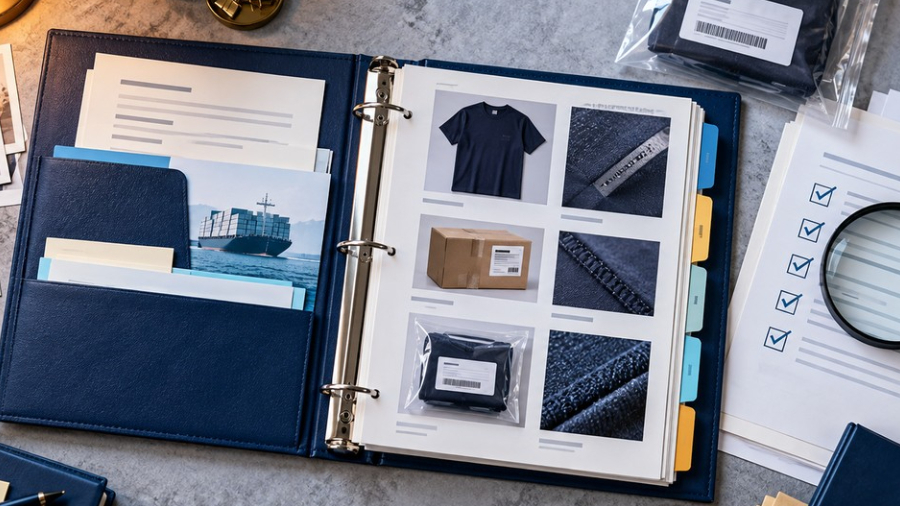
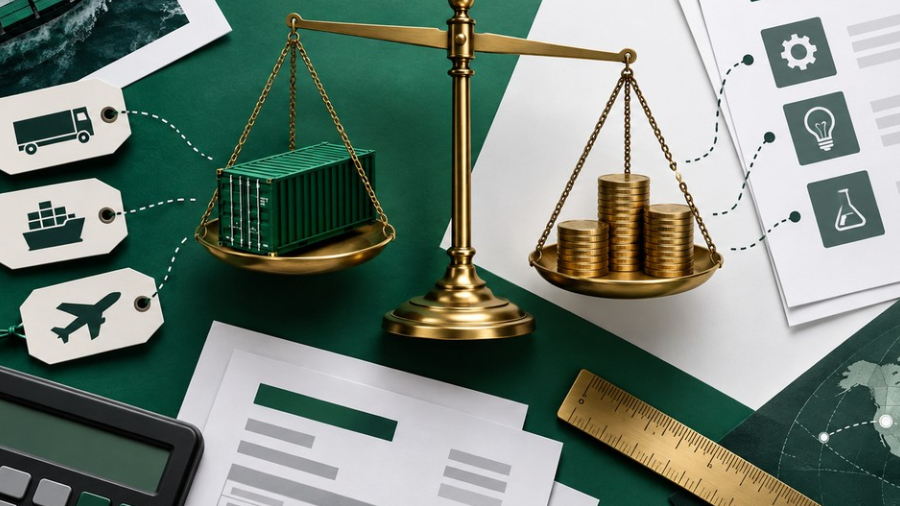
International shipping does not end when cargo leaves the supplier or arrives at the destination port. Before goods can be delivered to the buyer, they usually need to pass through customs. For importers, understanding the customs clearance process is essential because customs delays can increase storage fees, disrupt delivery schedules, and affect the total landed cost of imported goods.
Customs clearance is the official procedure used to review cargo, verify import documentation, calculate duties and taxes, check compliance, and approve cargo release. Whether goods move by sea freight, air freight, rail-supported transport, truck delivery, or express shipping, customs procedures are a key part of the logistics workflow.
This guide explains how the customs clearance process works, what documents are needed, how import clearance differs by shipping method, what costs may apply, and how importers can reduce delays. You will also learn practical examples and tips for better customs workflow planning.
What Is Customs Clearance?
Customs clearance is the process of getting imported or exported goods approved by customs authorities. For imports, this usually means submitting shipment details, commercial documents, product information, value data, country of origin, and classification information so customs can decide whether the cargo can enter the destination country.
A typical customs clearance process may include:
Document preparation
Customs entry filing
Product classification
Customs value review
Duty and tax calculation
Compliance check
Possible inspection
Duty and fee payment
Cargo release
Final delivery arrangement
The goal of customs clearance is to confirm that the goods are properly declared, legally importable, correctly valued, and compliant with destination requirements. If documents are incomplete, cargo descriptions are unclear, or product values are inconsistent, customs may request corrections or additional information.
Import clearance is important because cargo cannot normally move freely to the final destination until customs release is completed. A shipment may arrive at the port or airport on time, but if customs documents are wrong, delivery can still be delayed.
For importers, customs clearance should be planned before the cargo departs, not after it arrives. Good preparation can reduce delays, extra charges, and communication problems.
Why the Customs Clearance Process Matters
The customs clearance process matters because it affects time, cost, compliance, and delivery reliability. Many importers focus on freight rates and shipping time but underestimate customs procedures. This can create problems after cargo arrival.
Customs clearance affects shipment timing. If documents are correct and duties are paid on time, cargo release may move smoothly. If customs requests an inspection or document correction, the cargo may stay at a port, airport, warehouse, or terminal longer than expected.
Customs clearance also affects cost. Importers may need to pay import duties, taxes, customs broker fees, government charges, storage, inspection fees, or document correction costs. These costs should be included in landed cost planning.
Customs clearance affects legal responsibility. The importer of record is usually responsible for accurate import documentation, product description, declared value, and compliance. Even when a freight forwarder or customs broker assists, the importer must provide correct information.
Customs clearance affects customer delivery. A shipment can be delayed even after arriving in the destination country if cargo release is not completed. For businesses selling inventory, this can cause stockouts, production delays, or missed customer deadlines.
A smooth customs workflow protects both the shipment and the business.
Key Parties Involved in Customs Clearance
Several parties may be involved in the customs clearance process. Understanding their roles helps importers communicate more clearly.
The importer of record is the party responsible for importing the goods into the destination country. This party is usually responsible for accurate declaration, duty payment, and compliance.
The exporter or supplier prepares commercial documents and may handle export-side procedures depending on the trade term.
The freight forwarder coordinates transportation, cargo movement, and logistics communication. A forwarder may also coordinate customs handling through partners.
The customs broker helps prepare and submit customs entry documents. The broker may classify goods, calculate duty, file import entries, and communicate with customs authorities.
The carrier transports the cargo by vessel, aircraft, truck, rail, or other method.
The warehouse or terminal may hold cargo before customs release or final delivery.
The final delivery provider moves cargo from the port, airport, terminal, or warehouse to the buyer’s destination.
In many shipments, the freight forwarder, customs broker, and importer work together. The importer provides product and transaction details. The broker handles customs entry. The forwarder coordinates cargo movement and delivery after release.
Import Documentation Needed for Clearance
Import documentation is one of the most important parts of customs clearance. Incorrect or incomplete documents are a common reason for delay.
Common import documentation may include:
Commercial invoice
Packing list
Bill of lading or air waybill
Arrival notice
Importer information
Product description
Country of origin
Declared value
Quantity and unit details
Tariff classification
Insurance information if needed
Import permits or certificates if applicable
The commercial invoice usually shows the seller, buyer, product description, quantity, unit price, total value, trade term, and currency. Customs uses this document to review transaction value and product details.
The packing list shows how goods are packed, including cartons, pallets, weights, dimensions, and package count. It helps customs and logistics providers identify cargo.
The bill of lading or air waybill is a transport document that shows shipment movement details. It may be needed for cargo release and customs filing.
Product descriptions should be clear and specific. Vague descriptions such as “parts,” “goods,” or “accessories” may create customs questions. A better description explains what the product is, what it is made of, and how it is used.
Good documentation reduces the risk of customs delays.
Step-by-Step Customs Workflow
A typical customs clearance process begins before the cargo arrives. The importer or customs broker collects documents and checks whether the shipment details are complete.
Step one is document review. The broker or logistics provider checks the commercial invoice, packing list, transport document, product description, and importer details.
Step two is product classification. The product is assigned a customs classification code based on its material, function, use, and category. This classification helps determine duty rates and import requirements.
Step three is customs value review. Customs value is usually based on the transaction value, but additional elements may be considered depending on the rules and shipment details.
Step four is entry filing. The customs broker or authorized party submits the import declaration to customs.
Step five is duty and tax calculation. Based on the classification, value, and origin, customs duties and taxes are calculated.
Step six is compliance review. Customs may check whether the product requires special permits, certificates, labeling, or additional documentation.
Step seven is inspection decision. Some shipments may be released without inspection, while others may be selected for document review, scanning, or physical inspection.
Step eight is payment. Duties, taxes, customs fees, or other required charges are paid or arranged.
Step nine is cargo release. Once customs requirements are satisfied, cargo can be released for delivery.
Step ten is final delivery. The shipment moves to the warehouse, business address, distribution center, or final destination.
Customs Clearance for Sea Freight
Sea freight is commonly used for large, heavy, and cost-sensitive cargo. Customs clearance for sea freight often involves port handling, container release, and coordination between the freight forwarder, customs broker, terminal, and trucking provider.
Sea freight may move as LCL or FCL.
LCL means less than container load. Cargo shares container space with other shipments. After arrival, the shared container may need to be unloaded and separated at a warehouse before cargo release or final delivery.
FCL means full container load. One shipper uses the entire container. The container may be cleared and delivered as one unit after port arrival and customs release.
Sea freight customs procedures may include:
Arrival notice review
Commercial document check
Customs entry filing
Duty and tax calculation
Container or cargo release
Port or warehouse handling
Final delivery arrangement
For sea freight, importers should also plan for demurrage, detention, and storage risks. If customs clearance is delayed or delivery is not arranged on time, extra charges may occur.
Good sea freight customs planning starts before vessel arrival. Documents should be ready early, and delivery arrangements should be prepared before cargo release.
Customs Clearance for Air Freight
Air freight is faster than sea freight, so customs clearance timing is often more urgent. Importers use air freight for samples, urgent goods, high-value cargo, spare parts, seasonal products, and emergency replenishment.
Because air freight moves quickly, documents must be prepared before the cargo arrives. A delay of one or two days can reduce the benefit of using air freight.
Air freight customs clearance may involve:
Air waybill review
Commercial invoice and packing list check
Cargo arrival confirmation
Customs entry filing
Duty and tax payment
Airport warehouse release
Final delivery
Air freight is usually more expensive than sea freight, so storage or delay charges can also become costly. Importers should make sure the product description, declared value, and consignee information are accurate before departure.
Air freight is best when speed is important, but customs preparation must match that speed. If documents are incomplete, fast transportation may still result in slow delivery.
Customs Clearance for Express Shipping
Express shipping is often used for small parcels, documents, samples, and urgent lightweight shipments. It can be simpler than traditional freight, but customs clearance still applies.
Express shipments may include simplified customs handling depending on cargo value, product type, and destination rules. However, importers should not assume that express cargo is always duty-free or inspection-free.
Express clearance may require:
Product description
Declared value
Consignee details
Invoice information
Import tax or duty payment if applicable
Special documents for restricted goods if needed
Express shipping is convenient for samples and small shipments, but it is not always the best choice for large commercial cargo. Once cargo volume or value increases, air freight or sea freight may be more cost-effective and easier to document.
For buyers using express shipping, product descriptions and declared values should still be accurate. Customs can delay parcels if information is unclear.
Customs Clearance and Rail or Truck Freight
Rail and truck transport are often used as part of inland movement after sea or air freight. In some cross-border routes, rail or truck may also be part of the international freight movement.
Customs clearance for rail or truck cargo depends on the route and border procedures. The cargo may need customs documents, cargo manifest details, import declaration, and inspection coordination.
In many shipments, rail and trucking are connected to customs release. For example, a container may arrive at a port, clear customs, and then move inland by rail or truck. If customs release is delayed, inland delivery may also be delayed.
For freight planning, importers should coordinate customs clearance and inland delivery together. A truck appointment should not be scheduled too early if cargo release is uncertain. At the same time, waiting too long can create storage charges.
The best logistics plan connects customs workflow with cargo release and delivery scheduling.
Cost Factors in Customs Clearance
Customs clearance can include several cost items. Importers should understand these costs before shipping.
Common customs-related costs may include:
Customs broker fee
Import duty
Import taxes
Government processing fees
Inspection fees
Document correction fees
Storage fees
Warehouse handling
Port or airport charges
Delivery delay fees
The exact costs depend on cargo type, value, origin, destination, shipping method, and service scope.
Freight quotes may or may not include customs clearance. A port-to-port quote usually does not include full import clearance or final delivery. A door-to-door quote may include customs coordination but may exclude duties and taxes. A DDP quote may include duties and taxes, but this must be confirmed clearly.
Importers should ask:
Is customs clearance included?
Are duties included?
Are taxes included?
Are customs broker fees included?
Are inspection fees included?
Are storage charges included?
Is final delivery included?
A clear quote helps prevent unexpected costs after cargo arrival.
How Shipping Methods Affect Customs Timing
Different shipping methods create different customs timing requirements.
Sea freight usually has longer transit time, giving importers more time to prepare documents before arrival. However, port storage, demurrage, and container return deadlines can create pressure after arrival.
Air freight moves faster, so documents must be prepared earlier. Importers should not wait until cargo arrives to start customs preparation.
Express shipping may have simplified processing for small shipments, but customs can still request information or payment before delivery.
Rail and truck freight may have border-specific procedures and inland delivery timing requirements.
A practical comparison:
Sea freight: slower transit, more time to prepare, higher port delay risk
Air freight: faster transit, urgent documentation needed
Express shipping: simple for small parcels, but still subject to customs
Rail/truck: closely connected with border and inland delivery planning
The best shipping method depends on cargo size, urgency, budget, and documentation readiness.
Real-Life Example: Sea Freight Import Clearance
A wholesaler imports a full container of packaged goods by sea freight. The cargo arrives at the destination port on schedule, but the buyer has not prepared complete import documentation. The commercial invoice has a vague product description, and the packing list does not match the carton count.
The customs broker requests corrected documents before filing the entry. While the documents are being corrected, the container remains at the port. Storage and potential delay charges begin to increase.
This example shows that the customs clearance process should start before vessel arrival. Accurate documents help avoid avoidable costs.
Real-Life Example: Air Freight Urgent Shipment
A business ships urgent replacement parts by air freight. The cargo arrives quickly, but customs requests additional product details because the description is too general.
The buyer provides the material, product use, and value details, allowing the broker to complete the import clearance. The cargo is released, but delivery is delayed by one day.
This example shows that air freight speed depends on customs preparation. Fast transport does not help if documents are incomplete.
Real-Life Example: DDP Shipment
A small importer chooses DDP shipping because they want customs clearance, duties, taxes, and delivery included. The logistics provider arranges import clearance and delivery to the buyer’s address.
The buyer does not need to pay customs separately, but still provides accurate product information, delivery address, and invoice details.
This example shows that DDP can simplify the customs workflow, but the buyer must still support accurate documentation.
Practical Tips to Avoid Customs Delays
First, prepare documents before cargo departure. Do not wait until the shipment arrives.
Second, use clear product descriptions. Include material, use, quantity, and product type.
Third, check invoice and packing list consistency. Quantities, weights, and values should match.
Fourth, confirm the importer of record. This responsibility must be clear before entry filing.
Fifth, classify products early. Tariff classification affects duties, taxes, and import requirements.
Sixth, confirm whether permits or certificates are needed. Some products may require additional documentation.
Seventh, choose the right shipping term. EXW, FOB, CIF, DAP, and DDP affect customs responsibility.
Eighth, ask for a full cost breakdown. Customs fees, duties, taxes, and delivery should be understood before booking.
Ninth, respond quickly to customs questions. Delayed replies can increase storage and delivery delays.
Tenth, keep records. Import documents may be needed for accounting, audits, or future shipments.
One common mistake is assuming freight arrival means cargo is ready for delivery. Customs release must happen first.
Another mistake is using vague product names. Customs needs accurate descriptions.
A third mistake is underestimating duties and taxes. These costs affect landed cost and cash flow.
A fourth mistake is not checking trade terms. The buyer and seller may have different expectations about customs responsibility.
A fifth mistake is ignoring inspection risk. Even well-prepared shipments may be selected for review.
A sixth mistake is not planning delivery after release. Cargo may be cleared but still need trucking, warehouse appointment, and unloading.
A seventh mistake is not keeping import records. Missing records can create problems later.
Conclusion
The customs clearance process is a critical part of international logistics. It includes import documentation, customs procedures, product classification, duty and tax calculation, compliance review, possible inspection, cargo release, and final delivery coordination.
Whether cargo moves by sea freight, air freight, express shipping, rail, or truck, import clearance must be planned carefully. The most successful importers prepare documents early, use accurate product descriptions, confirm costs, and coordinate with freight forwarders and customs brokers before cargo arrival.
A smooth customs workflow helps reduce delays, avoid extra charges, and improve delivery reliability. For businesses importing regularly, strong customs planning is not just an administrative task. It is an important part of supply chain control and landed cost management.
FAQ
What is the customs clearance process?
The customs clearance process is the procedure used to review import documents, classify goods, calculate duties and taxes, check compliance, and approve cargo release.
What documents are needed for import clearance?
Common documents include commercial invoice, packing list, bill of lading or air waybill, product description, country of origin, declared value, importer information, and any required permits or certificates.
How long does customs clearance take?
Customs clearance time depends on document accuracy, cargo type, shipping method, customs workload, inspection risk, and whether duties or taxes are paid on time.
Who handles customs clearance?
A customs broker often handles customs entry filing, while a freight forwarder may coordinate the process. The importer of record is usually responsible for accurate information and payment obligations.
How can I avoid customs delays?
Prepare documents early, use accurate product descriptions, confirm classification, check duty and tax requirements, respond quickly to customs questions, and work with experienced logistics partners.
 English
 Deutsch
 Português
 العربية
 中文
中文


 25 Sep