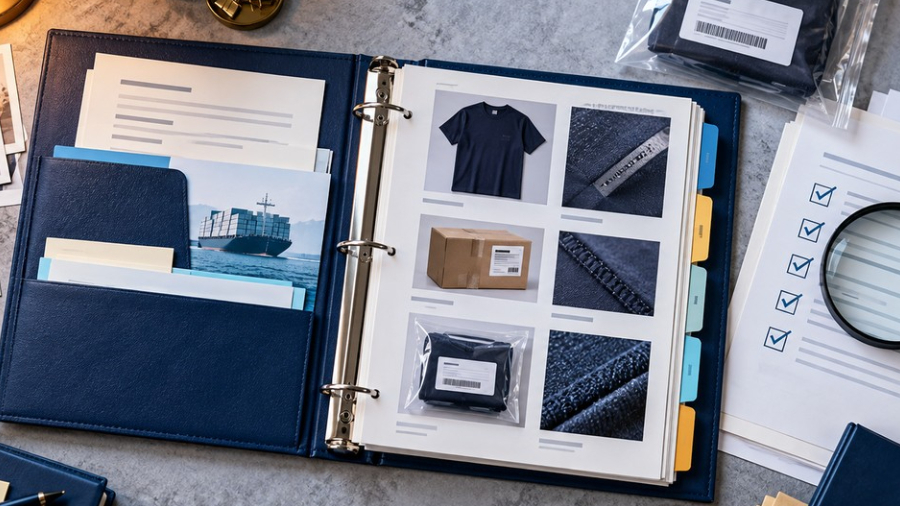
Cargo moving from China to the United States can be exposed to loss, damage, theft, moisture, rough handling, fire, collision, and other events during pickup, warehouse handling, ocean or air transport, customs release, and final delivery. China to USA cargo insurance helps an importer transfer part of that financial risk to an insurer, but only when the shipment, value, coverage, and claim conditions are correctly documented.
Insurance should be arranged before the risk begins. It is not a substitute for strong packaging, accurate documents, reliable carriers, and careful delivery inspection. It is one layer in a wider cargo-risk plan.
Cargo Insurance Is Not the Same as Carrier Liability
Carrier liability is the carrier’s legal responsibility under its contract and the rules governing the shipment. It may be limited by weight, package count, transport document, or the circumstances of the loss. A carrier can also deny liability when it did not cause the damage or when a contractual defense applies.
Cargo insurance is a separate policy or certificate covering the insured interest according to stated terms. It may respond even when full recovery from a carrier is not available, but it is still subject to limits, exclusions, deductibles, valuation rules, and claim procedures. Importers should never assume that a freight quote automatically includes full-value insurance.
Broad or All-Risk Coverage
Broad coverage generally protects against accidental physical loss or damage unless a cause is specifically excluded. The phrase “all risk” does not mean every possible event is covered. Exclusions, deductibles, policy conditions, and commodity restrictions still apply.
Named-Perils Coverage
Named-perils coverage responds only to risks listed in the policy. It may cost less but can leave important gaps. The importer should compare the listed events with the actual route, cargo, packaging, and handling process.
Single-Shipment Coverage
A certificate can be arranged for one shipment. This may suit occasional importers, but the insured must confirm that coverage begins at the correct origin and continues to the intended destination.
Open or Annual Cargo Policy
Frequent shippers may use an open policy covering qualifying shipments during a period. Declarations, reporting limits, commodity rules, countries, routes, and maximum values must be followed. An annual arrangement can simplify administration, but it requires disciplined shipment reporting.
What the Policy Should Identify
A useful cargo-insurance record should clearly identify:
- The insured party and its financial interest in the goods.
- The shipper, consignee, and transport route.
- The commodity, packaging, quantity, and shipment value.
- The transport mode and expected dates.
- The origin and final destination covered by the policy.
- The insured amount, currency, deductible, limits, and special conditions.
- Any exclusions or warranties that apply to the cargo.
Names and values should be consistent with the commercial invoice, packing list, bill of lading or air waybill, and purchase terms.
How Insured Value Is Determined
Insured value is not always the same as the supplier’s invoice price. Depending on the policy, it may include the commercial value, freight, duties, and an agreed uplift. The calculation must follow the insurer’s terms rather than an improvised estimate.
Underinsurance can limit recovery, while unsupported overinsurance does not create a legitimate profit from a loss. Keep purchase contracts, invoices, payment records, freight charges, and valuation calculations so the claimed amount can be supported.
Common Exclusions and Limitations
Exact wording varies by insurer and policy, but common limitations may involve:
- Inadequate or unsuitable packaging.
- Ordinary leakage, wear, evaporation, or normal loss in weight.
- Delay, loss of market, or missed sales without physical cargo damage.
- Inherent vice, meaning damage caused by the natural characteristics of the goods.
- Incorrect descriptions, undeclared dangerous goods, or regulatory violations.
- Willful misconduct or intentional acts by the insured.
- Sanctions, war, strikes, cyber events, or political risks unless specifically included.
- Used goods, fragile items, temperature-sensitive cargo, or high-value commodities subject to special conditions.
Read the actual policy. A sales summary cannot replace the coverage wording. If a shipment involves batteries, liquids, glass, perishables, electronics, machinery, or branded goods, disclose the details before coverage is issued.
Warehouse-to-Warehouse Coverage
Many importers want protection from the supplier’s premises through final delivery. The policy must define when risk attaches, where it terminates, and how long coverage continues during normal transit or temporary storage.
“Warehouse to warehouse” should not be interpreted as unlimited storage. Delays, changes of destination, repacking, consolidation, and extended warehouse stays may affect coverage. Tell the insurer or broker if the cargo will be stored, transloaded, relabeled, or delivered in several stages.
FCL, LCL, Air, and Courier Considerations
FCL Shipments
Full containers have fewer consolidation handoffs, but they can still suffer water entry, container damage, shifting loads, theft, vessel incidents, or damage during loading and unloading. Container seals and loading photographs are useful records.
LCL Shipments
LCL cargo passes through consolidation and deconsolidation warehouses. Strong cartons, pallet protection, clear marks, and an accurate piece count are important because the goods share space with other cargo.
Air Freight
Air cargo spends less time in transit but may have multiple terminal and truck transfers. High-value, fragile, and time-sensitive goods need appropriate packaging and security arrangements.
Express Courier
Courier services may offer declared-value protection or limited liability rather than a full cargo policy. Review the courier’s terms and confirm whether the available protection matches the shipment value.
How to Reduce Damage Before Shipping
- Use export packaging appropriate for the commodity and transport mode.
- Protect against moisture, vibration, compression, and repeated handling.
- Record final carton or pallet dimensions, weights, and quantities.
- Photograph the goods, inner protection, closed cartons, pallets, labels, and container loading.
- Use clear shipping marks and tamper-evident seals where appropriate.
- Disclose special characteristics such as batteries, liquids, fragility, or temperature sensitivity.
- Confirm receiving equipment and delivery appointments before arrival.
Insurance may reject or reduce a claim when packaging is clearly inadequate. Preventive evidence also helps show that the cargo was in good condition before transport.
What to Do When Damage or Loss Is Discovered
1. Record the Condition Immediately
Take photographs and video before unpacking further. Record the seal, outer packaging, pallet condition, wet areas, crushed cartons, missing pieces, and visible damage.
2. Note Exceptions on the Delivery Record
Do not sign a clean receipt when loss or damage is visible. Write specific exceptions and keep a copy. For concealed damage, follow the required notification deadline.
3. Protect the Cargo from Further Loss
Take reasonable steps to prevent additional damage, but do not discard packaging or damaged goods until the insurer gives instructions.
4. Notify the Relevant Parties
Contact the insurer or insurance broker promptly. Also notify the forwarder, carrier, warehouse, or delivery provider as required so recovery rights are preserved.
5. Arrange a Survey When Required
Higher-value or complex losses may require an independent survey. Follow the contact details and instructions shown on the insurance certificate.
Documents Commonly Needed for a Claim
- Insurance policy or certificate.
- Commercial invoice and packing list.
- Bill of lading, air waybill, or courier record.
- Delivery receipt showing exceptions.
- Photographs and video before and after opening.
- Survey report when required.
- Repair estimate, replacement invoice, salvage information, or loss calculation.
- Written notices to carriers and other responsible parties.
- Proof of ownership and payment where requested.
Claim requirements and deadlines vary. Report the event immediately rather than waiting for every document to be collected.
Frequent Claim Problems
Claims often become difficult because insurance was purchased after departure, the insured party does not match the owner of the cargo, the declared commodity is vague, packaging evidence is missing, delivery was signed clean despite visible damage, or notice was late.
Another common problem is expecting insurance to pay for delay or lost profit when there is no covered physical damage. Review the policy before shipping so the protection matches the business risk.
Questions to Ask Before Buying Coverage
- Who is the insurer, and who handles claims?
- Is coverage broad or limited to named events?
- What origin, destination, and transport legs are covered?
- How is insured value calculated?
- What are the deductible and maximum limit?
- Which commodities, routes, and causes are excluded?
- Are theft, water damage, breakage, war, or strikes included?
- What packaging or security warranties must be followed?
- What documents and notification deadlines apply to claims?
Conclusion
China to USA cargo insurance can protect an importer from serious financial loss, but only when coverage is arranged early and matched to the cargo, value, route, and delivery plan. Carrier liability alone may not provide full recovery.
Use strong packaging, accurate records, clear photographs, and immediate damage reporting. DDPexpert can help coordinate shipment details and insurance information so importers understand the transport scope and prepare the evidence needed before cargo moves.
FAQ
Does a freight quote automatically include cargo insurance?
No. Ask whether insurance is included, what policy applies, what value is covered, and which exclusions and deductible apply.
Is all-risk cargo insurance unlimited?
No. Broad coverage still has exclusions, limits, deductibles, commodity restrictions, and claim conditions.
Can cargo insurance cover delays?
Standard physical cargo coverage often does not cover delay or lost market without covered physical damage. Check the exact policy wording.
When should damage be reported?
Report it immediately after discovery. Record exceptions at delivery, preserve packaging and damaged goods, and follow the insurer’s notice requirements.
 English
 Deutsch
 Português
 العربية
 中文
中文


 25 Sep