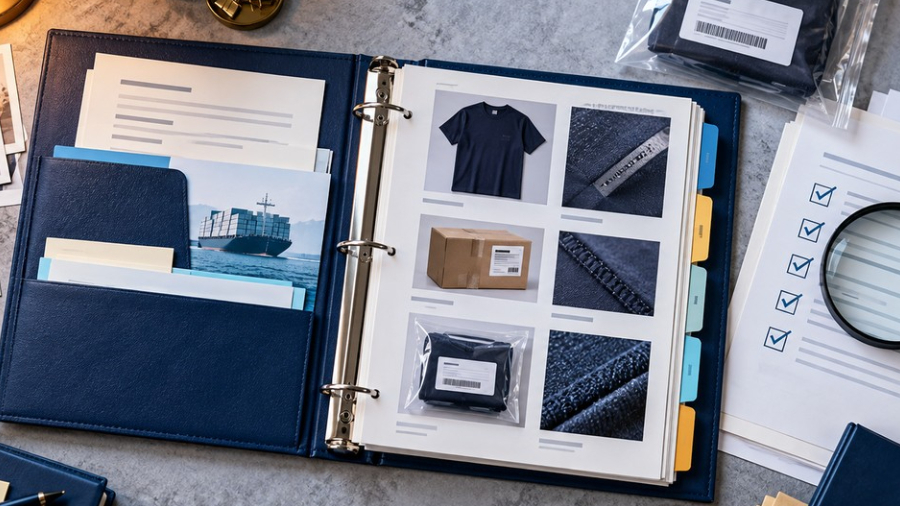
Cargo moves through many hands before it reaches its final destination. A shipment may be picked up at a factory, transferred to a warehouse, loaded into a container or onto aircraft pallets, moved through a port or airport, cleared by customs, and then delivered inland to a warehouse or business location. At each stage, there is exposure to damage, loss, mishandling, moisture, theft, or shortage. That is why cargo shipping insurance china usa is not a minor add-on. It is a practical risk-management tool for importers, wholesalers, distributors, and e-commerce businesses.
The Federal Maritime Commission specifically advises shippers to review whether their policy protects against loss or damage during an international move and warns that some marine insurance may cover only total loss of a vessel, not ordinary transit damage. The FMC also recommends requesting a copy of any marine insurance purchased on a shipper’s behalf. For air shipments, IATA notes that the Montreal Convention 1999 provides a liability regime for international air carriage and that shippers can in some cases increase the limitation of liability by declaring a higher value for carriage.
This guide explains how cargo shipping insurance china usa works, what freight insurance coverage usually includes, where shipment risk is highest, how the damage claims process typically works, and what importers can do to strengthen cargo protection before a problem happens.
Why Cargo Shipping Insurance Matters
Many importers assume that if something goes wrong, the carrier will fully pay for the loss. In reality, transport liability and insurance are not the same thing. The FMC’s consumer guidance warns shippers to review their policy carefully because not all insurance protects against ordinary cargo damage, and some coverage may be much narrower than expected.
For air transport, IATA’s Montreal Convention resources explain that international carriage by air operates under a liability regime rather than automatic full commercial-value reimbursement. IATA also notes that shippers may be able to increase the carrier’s limitation of liability by declaring a higher value for carriage, which shows that standard liability does not automatically equal full cargo value protection.
In practical terms, cargo shipping insurance china usa matters because it helps close the gap between limited legal liability and the importer’s real financial exposure. If the goods are damaged, stolen, or partially lost, the commercial loss may be much larger than the carrier’s basic liability position.
What Cargo Shipping Insurance Usually Covers
A typical insurance policy for freight is designed to provide financial protection against defined transit risks. Depending on the wording, that may include:
physical damage to cargo
partial loss or total loss
theft or non-delivery
water or moisture damage during ocean transport
certain warehouse-to-warehouse transit exposure
some handling-related damage during loading or unloading
certain shared-loss maritime events
The key issue is always the wording. The FMC cautions that some marine policies may not cover ordinary transit damage and urges shippers to understand exactly what protection has been purchased. That means freight insurance coverage should be checked shipment by shipment or policy by policy, not assumed.
What Cargo Shipping Insurance May Not Cover
Importers should also understand that many policies contain exclusions or limitations. Depending on the wording, an insurer may limit or deny a claim if the loss is linked to:
poor or inadequate packing
inherent defect in the goods
ordinary wear and tear
late discovery of damage
delay-related commercial loss rather than physical cargo damage
restricted cargo categories
documentation problems affecting proof of loss
This is why cargo protection is never just an insurance purchase. It also depends on packaging quality, loading control, accurate records, and fast reporting if something goes wrong.
How Cargo Shipping Insurance Works in Practice
Step one: identify the shipment and cargo value
The process usually begins by identifying what is being shipped, what the commercial value is, what route the cargo will follow, and how it will move. This matters because the level of protection should reflect the real value at risk, not just a rough freight number.
Some importers insure only invoice value. Others choose a broader basis that better matches commercial exposure, including freight and other related cost elements. The right approach depends on how the business defines loss.
Step two: match insurance to the transport mode
A China-to-USA shipment may move by sea, air, or a mixed route that includes trucking and warehousing at both ends. Ocean transport exposes goods to longer transit duration, container environment issues, and port handling. Air transport reduces transit time but still includes airport handling, transfer risk, and import-side movement.
IATA’s cargo claims and loss-prevention materials specifically address cargo insurance, claim handling, and airline cargo-liability issues, which reflects the practical importance of these risks in air transport.
Step three: confirm the policy scope
The FMC’s guidance is especially important here. It tells shippers to check whether the policy actually provides protection against loss or damage during the move and to ask for the policy copy if insurance was arranged on their behalf.
This is the step where many importers discover that what they assumed was “full coverage” may actually be limited coverage.
Step four: document cargo condition
Insurance works best when the shipment is documented properly. Packing photos, loading records, carton counts, commercial invoices, transport documents, and receiving notes all strengthen future damage claims if loss occurs.
Step five: inspect at arrival and report promptly
Fast inspection at destination is one of the strongest practical controls. If something is wrong, the importer should record it immediately. Waiting too long weakens the evidence trail and can make the claims process harder.
Sea Freight Risk vs Air Freight Risk
Ocean freight risk
Ocean freight often exposes cargo to longer transit, more environmental variation, moisture, container stacking pressure, and more port-side handling. That makes packaging and loading especially important. In ocean shipping, even if a shipment moves normally overall, the cargo can still suffer from subtle physical damage, crushed packaging, or internal water-related issues.
The FMC’s guidance on insurance is especially relevant for ocean shipments because it directly warns that some marine policies may cover only total vessel loss rather than routine damage to cargo.
Air freight risk
Air freight is faster and can reduce some duration-related exposure, but it still carries risk during acceptance, airport handling, palletization, transfer, unloading, and final delivery. IATA’s Montreal Convention resources make clear that air cargo operates under a structured liability regime, not a promise of unlimited commercial-value recovery.
Why the difference matters
The right cargo shipping insurance china usa strategy depends partly on mode. A fragile, moisture-sensitive product moving by sea may face a different risk profile from a high-value urgent product moving by air. Insurance should reflect that difference.
Examples and Case Studies
Example one: moisture damage in ocean transit
A U.S. importer brings in packaged consumer goods from China by ocean freight. The cartons arrive warped and some inner products show water-related damage. Because the importer documented the carton condition at receiving, kept the packing records, and had clear shipment documents, the claim file is much stronger. Without those records, proving that the problem occurred during transit would be much harder.
Example two: partial shortage after warehouse arrival
A shipment arrives with the expected pallet count, but one pallet contains fewer cartons than the packing list shows. Because the receiving team checks counts immediately and records the discrepancy on arrival, the importer has a much better starting point for the claims process . If the shortage had only been noticed days later, the evidence would have been weaker.
Example three: packaging weakness mistaken for transit damage
A company imports delicate items and expects insurance to cover all breakage. Later review shows that the internal packaging was too weak for normal cargo handling. In that case, the problem may not be treated the same way as damage caused by a defined external transit event. This is why shipment risk management must begin with packing, not only with policy purchase.
Practical Tips for Better Cargo Protection
Read the policy wording before departure
Do not wait until something goes wrong. The FMC explicitly recommends reviewing the policy and checking whether it actually protects against loss or damage of the goods during the move.
Ask for the actual policy if insurance was purchased for you
The FMC says shippers should request a copy of any marine insurance policy purchased on their behalf. That is one of the most practical pieces of advice in this area.
Treat packaging as part of insurance strategy
Insurance does not replace proper packing. Strong cartons, internal protection, moisture resistance where needed, and clear labeling all reduce the chance of loss and make claims easier to support.
Record shipment condition with photos and counts
Before loading, during pickup, and at arrival, take photos when practical and keep count records organized. This creates evidence for later damage claims .
Inspect the cargo quickly after arrival
Fast inspection is one of the simplest and most effective risk controls. Delayed discovery often weakens a claim because it becomes harder to prove where the damage occurred.
Understand the difference between liability and insurance
IATA’s Montreal Convention resources and FMC guidance both point to the same practical lesson: legal liability and cargo insurance are not the same thing.
Align insurance with the real route
If the shipment includes pickup, ocean or air movement, warehousing, and inland delivery, make sure the protection reflects the full route rather than only one transport segment.
How the Claims Process Usually Works
The claims process varies by insurer and shipment type, but in practical terms it often follows the same pattern.
First, the loss or damage is discovered.
Second, the shipment condition is documented with notes, photos, counts, and receipt exceptions if available.
Third, the supporting records are gathered, such as invoice, packing list, transport document, and proof of damage.
Fourth, the claim is submitted according to the policy requirements and timeline.
Fifth, the insurer reviews the claim against the policy wording and the available evidence.
What matters most is speed, consistency, and documentation. The longer an importer waits, the harder it usually becomes to prove what happened.
Importers often weaken their own cargo protection by making avoidable mistakes:
assuming all policies provide broad coverage
buying insurance without reading the exclusions
not asking for the actual policy copy
failing to inspect cargo promptly
keeping weak photo or count records
confusing carrier liability with full-value coverage
ignoring packaging quality
These mistakes are common, and most of them can be prevented with a better internal process.
For related planning, read DDP Shipping Insurance Requirements and Risk Control Guide and Shipping Insurance for China to USA Freight.
Conclusion
Cargo shipping insurance china usa is one of the most practical tools available for reducing financial exposure during international freight movement. The FMC’s own guidance makes two points especially clear: shippers should review whether a policy truly protects against loss or damage, and they should request the policy if it was bought on their behalf. IATA’s Montreal Convention materials also reinforce that air carriage operates within a liability framework, which is another reminder that legal transport liability and commercial cargo protection are not identical.
The strongest approach is not just buying insurance. It is combining the right freight insurance coverage with better packaging, stronger records, fast arrival inspection, and a clear internal claim workflow. Importers who do this well usually recover faster from loss events and build a more resilient freight operation over time.
FAQ
Is cargo shipping insurance always necessary for China-to-USA freight?
Not every shipment carries the same commercial risk, but the FMC specifically says obtaining insurance is a good way to protect against loss or damage to goods during an international move.
Does carrier liability mean my cargo is fully protected?
No. The FMC warns that policy scope can be limited, and IATA’s Montreal Convention materials show that air transport follows a liability regime rather than automatic full-value reimbursement.
What is the most important thing for a successful damage claim?
Prompt inspection and strong documentation. Photos, counts, packing records, and fast reporting usually make the damage claims process much stronger.
 English
 Deutsch
 Português
 العربية
 中文
中文


 25 Sep